
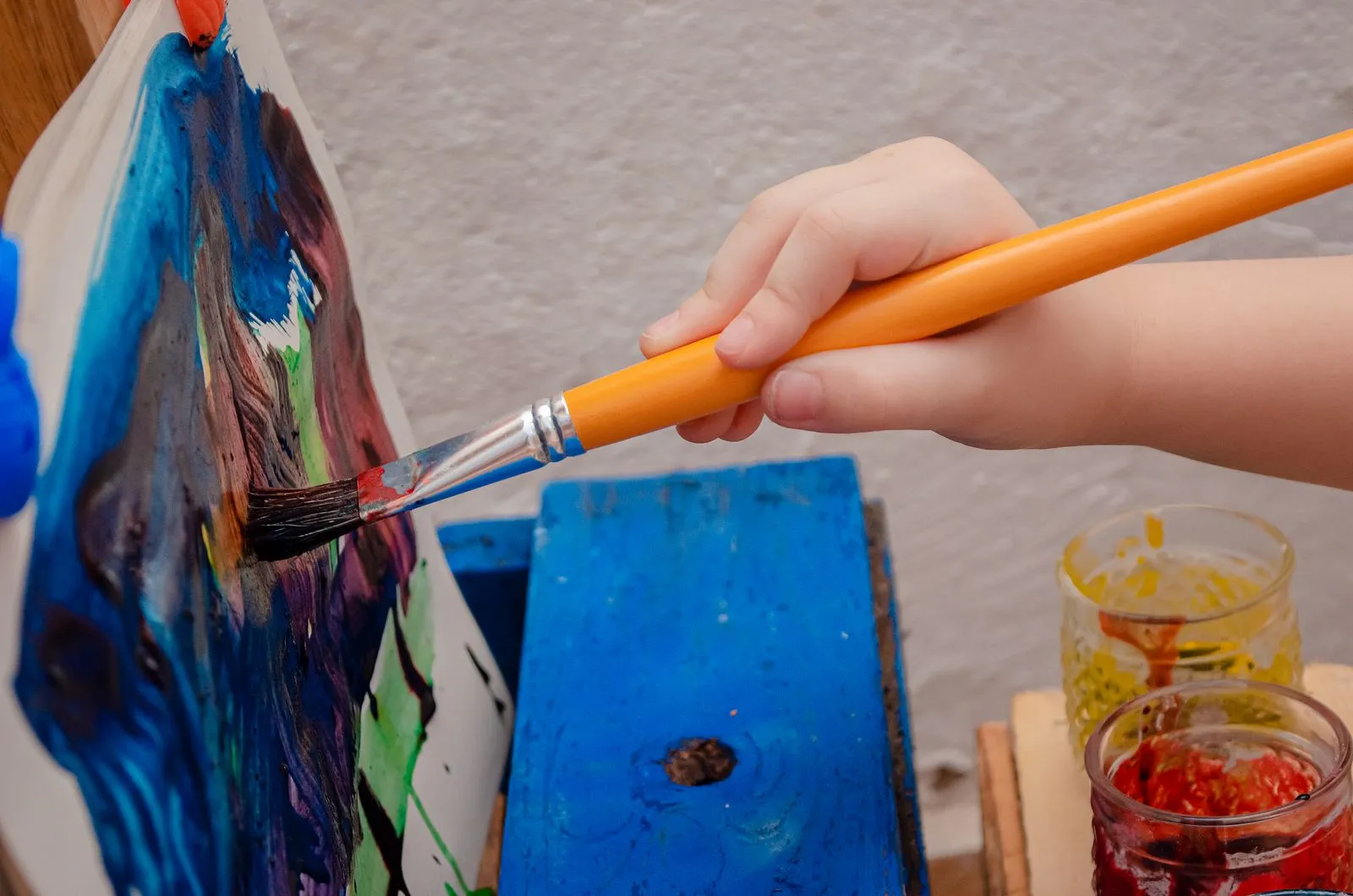
A Montessori art session gives children room to make choices and learn by doing. Instead of following one fixed project, a child may select materials, try a technique, and decide how to develop an idea. The adult prepares the space, offers guidance when needed, and encourages children to care for their tools and workspace. Knowing what these steps look like can help families understand how a session supports creativity, concentration, and growing independence.
Choosing Materials With Purpose
Materials are usually arranged so children can see what is available and reach what suits their age and abilities. A session might include paper, pencils, paint, clay, scissors, or collage pieces. Rather than handing every child the same kit, the guide may invite each child to choose a starting point and gather only what they need.
Choice does not mean a child has to figure everything out alone. An adult can demonstrate how to carry a paint tray or use a tool safely, then let the child take over. If a child feels unsure, a simple prompt such as “Would you like to draw or shape something?” can make the next step easier without deciding the project for them.
Exploring Techniques Through Practice
Children often learn a technique by watching a short demonstration and trying it themselves. They might mix colors, press patterns into clay, layer paper, or test how different marks look. The goal is to explore what a material can do, not to produce an identical result. Children can repeat a step, change their approach, or move on when they are ready.
An adult can support learning by naming a technique, showing safe tool use, and allowing time for practice. Instead of correcting every unexpected mark, the guide can ask what the child noticed or wants to try next. This keeps attention on the process and helps children make decisions about their own work.
Working at an Individual Pace
Some children settle into one activity for an extended period; others experiment with several materials. A well-prepared session allows for both, within clear boundaries for sharing supplies and using tools. Children may work independently, observe a peer, or ask for help. These choices let them follow an interest while learning to participate respectfully in a shared space.
The adult’s role is to observe and offer support at the right moment. If a child appears stuck, the guide may restate a step, offer a limited choice, or model one part of the process. If the child is focused and working safely, giving them space can be more helpful than stepping in with extra instructions.
Caring for the Workspace
Cleanup is part of the session, not an afterthought. Children can return tools to labeled places, wipe a table, close paint containers, and sort reusable scraps from waste. A clear setup makes these tasks easier: each item has a home, and cleaning supplies are placed where children can use them safely.
Adults can show cleanup steps before the activity begins and invite children to complete them in a manageable order. Younger children may need a reminder or help with a difficult task, while older children can take on more responsibility. At Austin Art Montessori, families can ask how materials and cleanup routines are adapted for different ages and abilities.
A Montessori art session combines freedom to choose with practical guidance and shared responsibility. Children select materials, test techniques, work at a suitable pace, and help restore the space when they finish. If you are considering an arts program, ask how sessions are structured and what support children receive as they explore.